Universities With the Best Outdoor Recreation Facilities
Pick any random Friday afternoon at the University of Utah and you'll find students loading ski gear onto the university's free transit shuttle — bound for Alta, Snowbird, Brighton, or Solitude, four major resorts all reachable without a car. That's not a weekend perk. That's baked into the academic experience. And it's why the conversation about "best outdoor recreation facilities" has to go way beyond gym square footage and shiny new weight rooms.
The schools that actually deliver for outdoor enthusiasts do three things: they put physical infrastructure on campus (climbing walls, gear rental, pools, trails), they give students convenient access to nearby wild places, and they back all of it with staffed programs that teach you how to use it. Miss any one of those, and you have a campus rec center that feels more like a membership pitch than an adventure.
Why the Gear Rental Program Is the Most Underrated Factor
Before ranking schools by square footage, consider what actually gets students outside. Gear is expensive. A solid backcountry skiing setup runs north of $800; a decent climbing kit costs nearly as much. Most 19-year-olds don't own any of it.
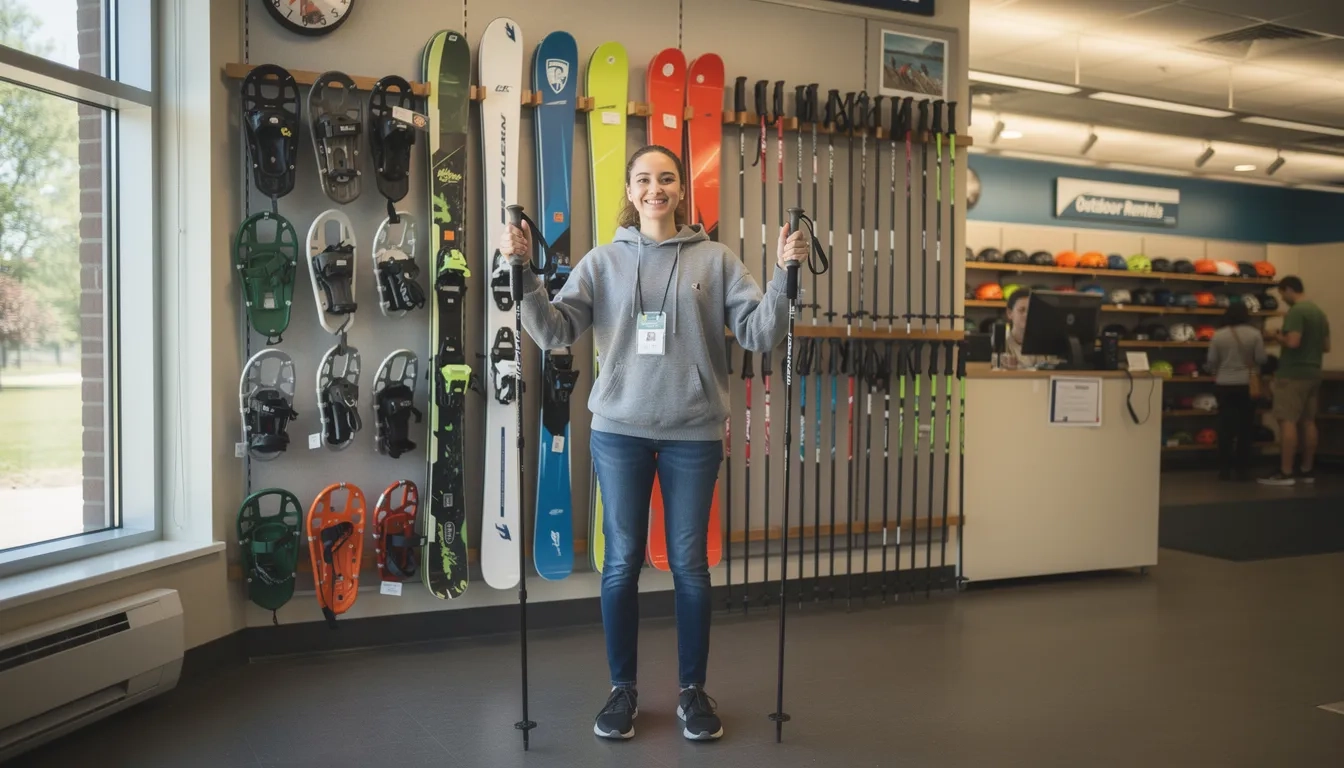
Gear rental programs break that barrier. The University of Utah runs what's widely cited as the largest collegiate rental shop in the country, with inventory covering skis, snowshoes, tents, sleeping bags, kayaks, and canyoneering gear. Students can check out equipment the way they check out library books. Cornell University's Outdoor Education program (known as COE, and frequently described as one of the largest college-based outdoor programs in North America) takes a similar approach, pairing rentals with actual instruction so students don't just borrow a kayak and guess.
When a school invests in a serious rental operation, it signals something about institutional culture. It means they want students outdoors, not just near a nice building.
The Mountain School Tier: Where Location and Facilities Align
Some schools can't be beaten simply because of where they sit on a map. But the best among them also invest in the infrastructure to match.
University of Colorado Boulder might be the single most enviable outdoor recreation situation in American higher education. The Boulder Flatirons are literally a 10-minute bike ride from the main campus. The university's climbing gym checks in at over 7,000 square feet with both bouldering terrain and routes for top-rope and lead climbing. Their Outdoor Program teaches scuba diving, fly fishing, wilderness medicine, and avalanche safety — and an Adventure Planning Center exists specifically to help students coordinate backcountry trips. You can walk out of class and be on a technical climbing route before dinner.
University of Utah (Salt Lake City) matches Boulder step for step with a different angle: ski access. Four world-class resorts connected by public transit is legitimately unmatched anywhere else in the country. The outdoor program also runs courses in canyoneering, ice climbing, and backcountry skiing — not just rentals, but formal instruction. Utah's outdoor infrastructure feels designed by someone who actually skis.
University of Montana (Missoula) is the quieter entry here. It doesn't have Boulder's national profile, but it sits at the doorstep of Glacier National Park and has an Outdoor Program that runs skills classes, gear rental, and guided trips into some of the most spectacular wilderness in the lower 48. For students who want Montana's specific flavors — fly fishing, elk country, big sky hiking — nothing else competes.
| School | Top Outdoor Draw | On-Campus Feature | Notable Program |
|---|---|---|---|
| CU Boulder | Flatirons climbing, Rocky Mtn NP | 7,000+ sq ft climbing gym | Wilderness medicine, avalanche courses |
| University of Utah | 4 ski resorts via transit | Largest collegiate rental shop | Canyoneering, ice climbing |
| University of Montana | Glacier National Park access | Gear rental + skills classes | Trip planning, forestry programs |
| Appalachian State | Blue Ridge Mountains | Rock climbing, caving, paddling | Intl. trips (New Zealand, Italy) |
| Cornell University | Finger Lakes, gorges, waterfalls | COE climbing walls | Tree Climbing Institute, global courses |
East Coast and Appalachian Contenders
The mountains don't belong only to the West.
Appalachian State University in Boone, North Carolina puts students inside the Blue Ridge Mountains from day one. Within an hour's drive: serious mountain biking, technical caving systems, rock climbing crags, and Class III–IV whitewater paddling. The university runs 30-day international outdoor programs — trips to New Zealand and Italy are part of the catalog, which tells you this isn't a casual intramural setup. App State also offers three different concentrations in recreation management, so students can study the thing they love.
Cornell University has 2,300 acres of campus crisscrossed by gorges, waterfalls, and forest trails, with Finger Lakes National Forest about 30 minutes out. The Cornell Outdoor Education program is one of the oldest and most institutionally supported in the country, offering everything from indoor climbing walls to a globally recognized Tree Climbing Institute that actually certifies arborists and guides. It's a rare case where the academic program and the recreational facility are genuinely intertwined.
Dartmouth College is worth naming here even though it's often overlooked in these conversations. The Dartmouth Outing Club has been operating since 1909 (making it one of the oldest collegiate outing clubs in the country), and the infrastructure it controls is staggering: a 100-acre ski area, a ravine lodge, 17 cabins, and access to 27,000 acres of New Hampshire wilderness. Dartmouth students essentially have a private mountain resort attached to their campus.
The Climbing Wall Factor: A Surprisingly Good Proxy
If you want a quick shortcut for evaluating outdoor recreation culture at any given school, look at their climbing wall. Not just whether they have one — what they've invested in it.
University of Washington has built three separate on-campus climbing facilities, with the largest described as one of the biggest climbing complexes on any university campus in the country. That's not an accident. It reflects a Pacific Northwest culture that bleeds into the institution: the Cascades, Mount Rainier, and hundreds of miles of sea kayaking routes are all within range of Seattle. The climbing walls aren't the product; they're the gateway.
University of Idaho features a 55-foot climbing wall (tall enough to genuinely practice lead fall catches, not just gym movement) alongside an Outdoor Program that organizes whitewater rafting expeditions. The University of Arizona's SouthREC Boulder Wall is free to all students and runs a dedicated "Women in Send" weekly workshop combining education, strength training, and climbing instruction — a model that's genuinely increased participation rates beyond the typical climber demographic.
A school's commitment to outdoor recreation shows up most clearly in the things that cost nothing to use: trail access, free programs, staff who actually teach. The shiny new gym is easy. The culture is harder.
Hidden Gems That Deserve More Attention
A few schools that don't appear on the obvious lists are doing something genuinely interesting.
Warren Wilson College (Swannanoa, NC) has a 1,100-acre campus that includes 25 miles of hiking trails, one river, a 600-acre forest, and one of the few bachelor's degree programs in Outdoor Leadership in the country. With only about 900 students total, the outdoor infrastructure per student is almost absurd. Two dozen kayaks. Climbing wall. River access from campus.
Berry College in Mount Berry, Georgia quietly holds one of the largest college campuses in the world — 27,000 acres — with 40-plus miles of trails, a student campground, and programs in rock climbing, mountain biking, and whitewater sports. Most prospective students have never heard of it. That's a shame.
Boise State University pulls off something underrated: an $199 annual student season pass that covers weekend ski trips to Bogus Basin Ski Resort plus gear rental discounts. That's not a high-end rec center pitch — that's just genuinely solving the cost problem that keeps most students indoors.
How to Actually Evaluate a School's Outdoor Recreation Program
When you're visiting a campus or researching options, here's what to look for beyond the glossy brochure shots.
- Check the rental inventory. A well-stocked rental shop with skis, tents, kayaks, and technical gear signals serious institutional commitment. A rack of frisbees doesn't.
- Ask about subsidized trips. Boise State's $25 night skiing trips or CU Boulder's subsidized climbing courses represent real, recurring access — not one-off events.
- Look for instruction, not just access. The University of Utah offers formal canyoneering courses. Cornell teaches wilderness medicine. That's different from a school that just has trails nearby.
- Find out who staffs the outdoor program. Paid, professional outdoor educators versus rotating student volunteers tells you how seriously the school treats this.
- Research the outing club. Bowdoin College's Outing Club runs over 150 excursions per year with 400-plus active members. That volume of peer-organized activity creates a culture that outlasts any single facility.
A common mistake is fixating on indoor recreation centers — which tend to get the biggest marketing budgets — while ignoring the outdoor access that actually defines the experience. A 300,000-square-foot gym in a flat city with nothing to do outside is a worse outdoor recreation situation than a modest campus sitting next to a national forest.
Bottom Line
- CU Boulder and the University of Utah are the clearest top choices if proximity to mountains, serious ski/climbing access, and institutional outdoor programs are priorities.
- Cornell and Dartmouth punch above their weight on the East Coast, with Dartmouth's Outing Club infrastructure being especially remarkable.
- Gear rental and subsidized trips matter more than facility square footage — they're what actually gets students outside consistently.
- If you want something off the radar, Warren Wilson College and Berry College offer outdoor-to-student ratios that larger schools simply cannot match.
- Before committing, ask one specific question on your campus visit: "How many students used the outdoor recreation program last semester?" A school that tracks this number and gives you a real answer has a program worth attending. A school that gives you a vague answer about facilities probably doesn't.
Frequently Asked Questions
Which university has the best overall outdoor recreation program in the US?
University of Colorado Boulder and the University of Utah consistently rank at the top. CU Boulder's combination of immediate trail and climbing access (the Flatirons are walkable from campus), a 7,000+ square foot climbing gym, and formal outdoor education courses is hard to match. The University of Utah adds the unique advantage of four major ski resorts reachable by campus transit without a car.
Do you need to bring your own gear to take advantage of these programs?
No — and this is one of the most important factors to consider. Schools like the University of Utah (largest collegiate rental shop in the country), Cornell, and CU Boulder all maintain extensive gear libraries. Students can rent skis, tents, kayaks, and climbing equipment at subsidized rates. If a school's rental program is limited or expensive, that's a real red flag regardless of what facilities they have on paper.
Is outdoor recreation access only realistic at schools in mountain states?
That's a common assumption but it misses some strong options. Dartmouth in New Hampshire controls 27,000 acres of wilderness and a private ski area. Cornell sits in the gorges and waterfalls of upstate New York with a massive outdoor education program. Appalachian State in North Carolina puts students in the Blue Ridge Mountains. Pacific Northwest schools like the University of Washington have exceptional climbing facilities and Cascade access. Geography matters, but the East and Southeast have serious options.
What's the difference between a campus recreation center and an outdoor recreation program?
A campus recreation center is the building — fitness equipment, pools, courts. An outdoor recreation program is a staffed operation that organizes trips, teaches skills, rents gear, and connects students to natural environments outside campus boundaries. The best schools have both, but if you care about actual outdoor adventures, the program matters far more than the building. Many highly ranked rec centers serve students who never go outdoors at all.
Are there outdoor recreation programs at smaller liberal arts colleges?
Yes, and some are exceptional. Warren Wilson College (around 900 students) has 25 miles of trails, a river, and one of the only Outdoor Leadership bachelor's degrees in the country — all on a 1,100-acre campus. Bowdoin College in Maine runs 150+ organized outdoor excursions per year through its Outing Club. Smaller schools often deliver a better per-student experience precisely because facilities aren't overwhelmed.
How much does it typically cost students to use campus outdoor recreation programs?
Most programs include base access in student fees, so the climbing wall or basic gear rental is already paid for. Subsidized trips can run as low as $25 for a day of skiing (Boise State) or $199 for an entire season pass. The University of Utah's transit connection to ski resorts is free with a student ID. Expect to pay more for multi-day wilderness trips or specialized courses — wilderness medicine certifications, for example — but even those are usually priced well below commercial equivalents.