How University Health Centers Handle Emergencies: A Student's Guide
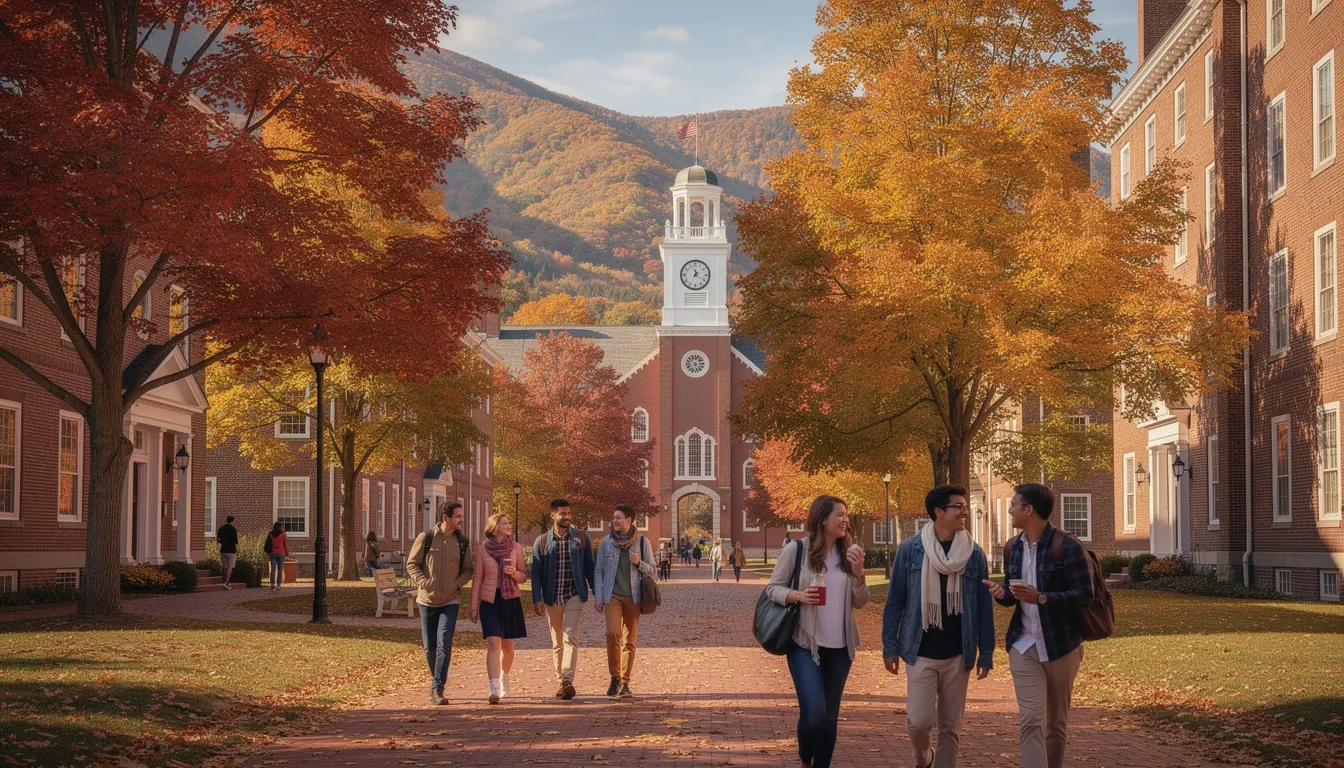
At 11:47 p.m. on a Thursday, a sophomore collapses outside a campus dining hall. A bystander calls 911. Another texts campus public safety. Two buildings away, a trained student EMT from the university's volunteer EMS squad breaks into a run. Who arrives first, what they can actually do, and when the student health center enters the picture — that sequence tells you almost everything about how campus emergency medicine really works.
What University Health Centers Can (and Can't) Do
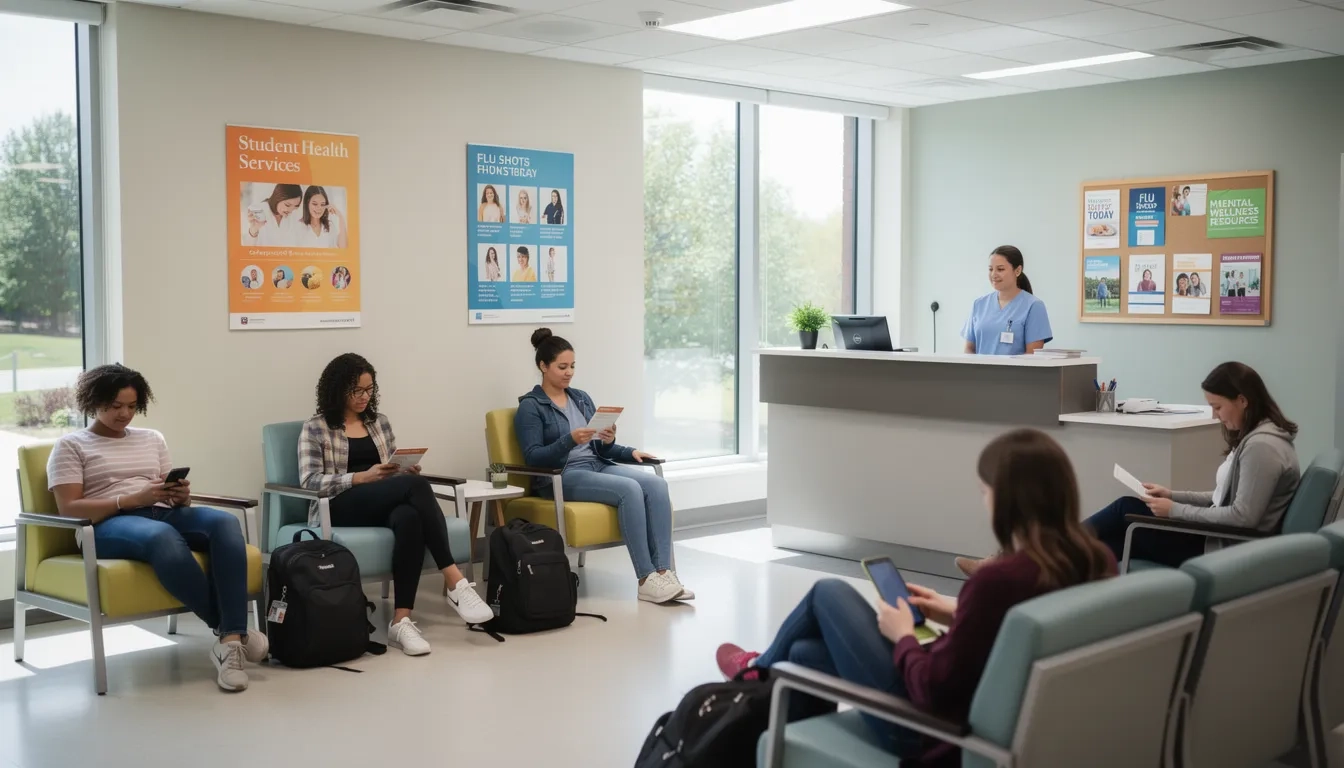
Start here, because most students misunderstand the scope. A university health center is not an emergency room. It's a primary care clinic staffed with physicians, nurse practitioners, and registered nurses, designed for problems that need same-day or next-day attention: infections, sprains, follow-up bloodwork, contraception, mental health check-ins.
When a true emergency walks through the door, the health center's job is to stabilize and transfer, not treat. RIT's Student Health Center, for example, explicitly lists chest pain, severe head trauma, loss of consciousness, and major lacerations as conditions requiring immediate ER care. The center can apply pressure to a wound while waiting for an ambulance. It cannot perform emergency surgery.
The triage nurse is the person who makes the call. Every patient arriving in person or by phone gets assessed by an RN who determines: Is this a 911 emergency, an urgent same-day need, a routine appointment, or something the nurse can manage under standardized protocols without a physician? That four-way split is the core of the workflow.
The limitation most students discover too late: if you show up at the health center with a genuine emergency, you've probably added 10 to 15 minutes to your time-to-definitive-care. The center will do what it can, but it will also be calling 911 and waiting. For anything life-threatening, call emergency services first.
How Triage Actually Works, Start to Finish
The triage process starts the second a student makes contact, whether that's a phone call at 8 a.m. or a walk-in at 3 p.m. The RN collects chief complaint, vital signs (if the student is present), and relevant history. From there, disposition options include: immediate clinical evaluation, same-day appointment, scheduled follow-up, referral to urgent care or the ER, or nurse-managed treatment under standardized procedures.
That last category is more powerful than it sounds. Under standardized procedures, a nurse can manage a range of common presenting issues without direct physician involvement — UTI symptom management, wound care protocols, basic allergy responses. It's not cutting corners. It's designed to reserve physician time for cases that genuinely need it.
| Acuity Level | Disposition | Example Conditions |
|---|---|---|
| Life-threatening | Call 911 / direct ER | Chest pain, unconsciousness, severe bleeding |
| Urgent | Same-day clinical evaluation | High fever, injury with moderate pain, acute anxiety |
| Semi-urgent | Same-day or next-day appointment | Sore throat, mild sprain, UTI symptoms |
| Non-urgent | Nurse-managed or scheduled | Routine refills, minor skin irritation, follow-up care |
After hours, the triage system shifts to phone. Most health centers operate 8 a.m. to 5 p.m. on weekdays. Outside those hours, students typically reach a 24/7 nurse advice line where an RN runs through the same symptom assessment by voice. UT Austin's Healthy Horns program directs after-hours students to a nurse line, telemedicine options, and a tiered list of local urgent care and ER facilities matched to severity.
The gap between closed and open is real, and it's the window when bad outcomes are most likely. A student who wakes up with a 104°F fever at 2 a.m. and waits until opening time is making a gamble. Nurse advice lines are good. But they're only as useful as the student who knows they exist.
Collegiate EMS: The Responders Most Students Have Never Heard Of
On roughly 200 campuses across the United States and Canada, students in medical training run their own emergency response squads. These collegiate-based EMS organizations operate alongside campus public safety and the community 911 system — and they tend to arrive faster than anyone else.
Georgetown University's Emergency Response Medical Service responds to approximately 900 calls annually, with an average response time of 2.6 minutes. The national median response time for community EMS runs around 7 minutes. That gap matters enormously in cardiac arrest, where survival odds drop roughly 10% for every minute without defibrillation.
Across all programs in the US and Canada, roughly 8,400 clinicians serve through collegiate EMS organizations. Most operate at Basic Life Support level (66.2% of programs) — meaning they can handle airway management, CPR, AED deployment, and basic trauma stabilization, but aren't authorized for advanced interventions like IV medications or cardiac pacing. When a call exceeds their scope, they stabilize and hand off to arriving community paramedics.
The Journal of Collegiate Emergency Medical Services has highlighted several innovations gaining traction: 12-lead ECG acquisition and transmission (so the ER knows what's coming before the patient arrives), telehealth mental health consultation for after-hours crises, and AI-enhanced ECG interpretation. For student-run organizations with limited call volume, simulation-based training has become central to keeping skills sharp.
There's a real tradeoff here. A community paramedic running 2,000 annual calls has clinical depth that a campus EMT seeing 50 to 100 calls per year can't match. CBEMS programs know this, and build extensive simulation curricula to compensate. But simulation and an actual resuscitation are not the same thing.
Mental Health Crises: The Category Growing Fastest
Ask any university health administrator what's changed most in the past decade. Mental health volume — every time.
According to Mental Health America, demand for college counseling services grew five times faster than enrollment between 2010 and 2015, and that trend hasn't reversed. The numbers behind it are striking: 75% of serious psychiatric conditions emerge by age 25, and suicide is the second leading cause of death among college students.
The systemic bottleneck is wait times. The average campus counseling center wait for a non-crisis appointment is 6.7 business days. A student who works up the courage to ask for help on Monday afternoon might not see anyone until the following Wednesday. A lot can happen in that window.
What makes it worse: less than 20% of students who died by suicide had ever sought campus counseling. In a national survey, 34.2% of college students reported seriously considering suicide. The students most at risk are often the ones least likely to have initiated contact with any campus service.
"Campus health centers are not designed to be psychiatric emergency rooms, but they increasingly field the overflow. The gap between what students need and what campus systems can provide is one of the most pressing public health failures in higher education right now."
Three Models for Mental Health Crisis Response
Most universities are moving away from the default of sending campus police as the first and only responder to mental health emergencies. Research consistently shows police involvement can escalate rather than de-escalate psychiatric crises. Three distinct models have emerged in response.
Model 1: Internal mental health partnerships. Campus police co-respond with counseling staff. The University of Colorado Boulder has equipped officers with iPads that connect students in crisis with on-call clinicians via video during high-volume evening hours. The clinician guides the interaction remotely while the officer maintains safety on scene. It uses existing staff, but it requires counseling centers that have capacity to be on call — which many don't.
Model 2: Dedicated crisis response roles. The University of Utah created a community services division within its public safety structure, hiring crisis support specialists for 24/7 coverage. These aren't police officers. They're trained specifically in de-escalation and psychiatric triage. Upfront cost is significant and recruitment is genuinely difficult, but the quality ceiling is higher.
Model 3: External contract services. Arizona State University contracts with EMPACT (a local nonprofit mental health provider) for after-hours crisis response. An internal case management system tracks when a student receives EMPACT support and flags the case for campus health follow-up. ASU offloads the hardest parts of the work while maintaining coordination on continuity of care.
Each involves real tradeoffs. My read: Model 2 produces the best outcomes when an institution can resource it properly. For most mid-sized universities, the honest choice is between Models 1 and 3 — and either beats sending police alone.
Mass Gatherings, Alcohol Calls, and Large-Scale Emergencies
Football games, concerts, and graduation ceremonies create a different emergency profile than day-to-day campus life. A stadium with 50,000 attendees is effectively a temporary city with its own public health demands. Most universities with major athletics programs pre-position CBEMS crews and medical staff at events, with command coordinated through campus public safety.
Alcohol emergencies are the most common single call type at most collegiate EMS organizations during high-attendance events. A key reason students historically delayed calling for help: fear of disciplinary consequences. The Good Samaritan Protocol, now adopted by most major US universities, explicitly protects both the person who calls and the person in distress from alcohol-related conduct violations. Schools that implemented the policy saw reporting rates increase measurably — students call faster when they know no one's getting written up.
For true mass casualty events, university emergency operations plans are built on the National Incident Management System (NIMS) and Incident Command System (ICS) frameworks. UT Austin's 2025 Emergency Operations Plan explicitly adopts this structure. The logic is that when campus public safety, city fire, EMS, and law enforcement all respond using the same command language and hierarchy, communication failures — which kill people in chaotic multi-agency responses — become far less likely.
What Students Should Actually Do Before an Emergency Happens
Most orientation sessions cover where to eat. Few cover what to do when a roommate stops breathing at midnight. Here's what actually matters:
- Know whether your campus has a collegiate EMS unit and how to reach them — they often respond faster than 911 on campus
- Save your campus nurse advice line number in your phone before you need it at 3 a.m.
- Understand the difference between health center (can-wait-a-few-hours), urgent care (shouldn't-wait-overnight), and ER (right now)
- For mental health crises, 988 (the Suicide and Crisis Lifeline) and the Crisis Text Line (text HOME to 741741) are available around the clock and don't require going through any campus system
Don't drive someone to the ER yourself if they're unconscious, having chest pain, or may have a spinal injury. Call and wait for the ambulance. And know that the Good Samaritan Protocol is real protection. The old punitive policies that discouraged students from calling for help were, in some cases, costing lives. That era is largely over — but only if students know the protection exists.
Bottom Line
University health centers handle emergencies through a layered system: triage nurses assess and route, collegiate EMS provides fast first response on campus, and campus-wide protocols connect to 911 and local hospitals for anything that exceeds on-campus capacity.
- If you're on a campus with a collegiate EMS program, their average response time can be under 3 minutes — faster than community ambulances. Know how to reach them.
- Mental health crisis resources (988, Crisis Text Line) operate 24/7 and don't require navigating campus bureaucracy to access.
- The Good Samaritan Protocol protects you when you call for help during an alcohol or drug emergency. Use it.
- The single most important thing you can do before any emergency: spend five minutes learning your campus's specific resources now, not when you're panicked at 2 a.m.
Frequently Asked Questions
Can I go to the student health center if I think I'm having a medical emergency?
For true emergencies — chest pain, difficulty breathing, loss of consciousness, major trauma — call 911 or campus public safety immediately. Health centers are equipped for primary and urgent care, not emergency medicine. Stopping at the health center first can delay definitive treatment and cost critical minutes.
What happens if I need help after the student health center closes?
Most universities offer a 24/7 nurse advice phone line for after-hours questions. You can also use telemedicine services often covered by your student health plan. For concerns that can't wait, local urgent care facilities and hospital ERs are the right options — your health center's website typically lists nearby locations sorted by type of care.
Does my campus have its own EMS team?
About 200 campuses across the US and Canada have student-run collegiate EMS organizations. They typically respond faster than community EMS on campus. Check your university's public safety website or orientation materials to find out if your school has one and what their direct contact number is.
Is calling for help during an alcohol emergency going to get me in trouble?
Almost certainly not. The vast majority of US universities have Medical Amnesty or Good Samaritan policies that protect the person who calls for help and the person receiving care from alcohol-related conduct violations. The policy exists specifically because schools recognized that fear of punishment was causing students to delay calling — sometimes with fatal results.
How is a mental health crisis handled differently from a physical emergency?
Mental health crises don't fit neatly into the same response framework. Many universities now use differentiated response models: some pair campus police with on-call counselors (as at the University of Colorado Boulder), others employ dedicated crisis support specialists, and some contract with external mental health organizations for after-hours coverage. For immediate help regardless of your campus setup, the 988 Suicide and Crisis Lifeline and the Crisis Text Line (text HOME to 741741) work anywhere.
What is the Incident Command System, and why does it matter during a campus emergency?
The Incident Command System (ICS) is a standardized management framework used by emergency responders across the US. Universities build their emergency operations plans on ICS so that campus public safety, local fire departments, EMS, and law enforcement can work together under a common command structure during large-scale events. For students, it means a campus emergency — from a building fire to a mass casualty event — triggers a coordinated, practiced response rather than improvised chaos.
Sources
- Mental Health America: College and University Response to Mental Health Crises
- EAB: 3 Models for Differentiated Mental Health Crisis Response on Campus
- RIT Student Health Center: Urgencies and Emergencies
- Journal of Collegiate Emergency Medical Services: Innovation in Collegiate EMS
- JEMS: The Lasting Legacy of Collegiate EMS Programs
- University of Texas at Austin Emergency Operations Plan 2025